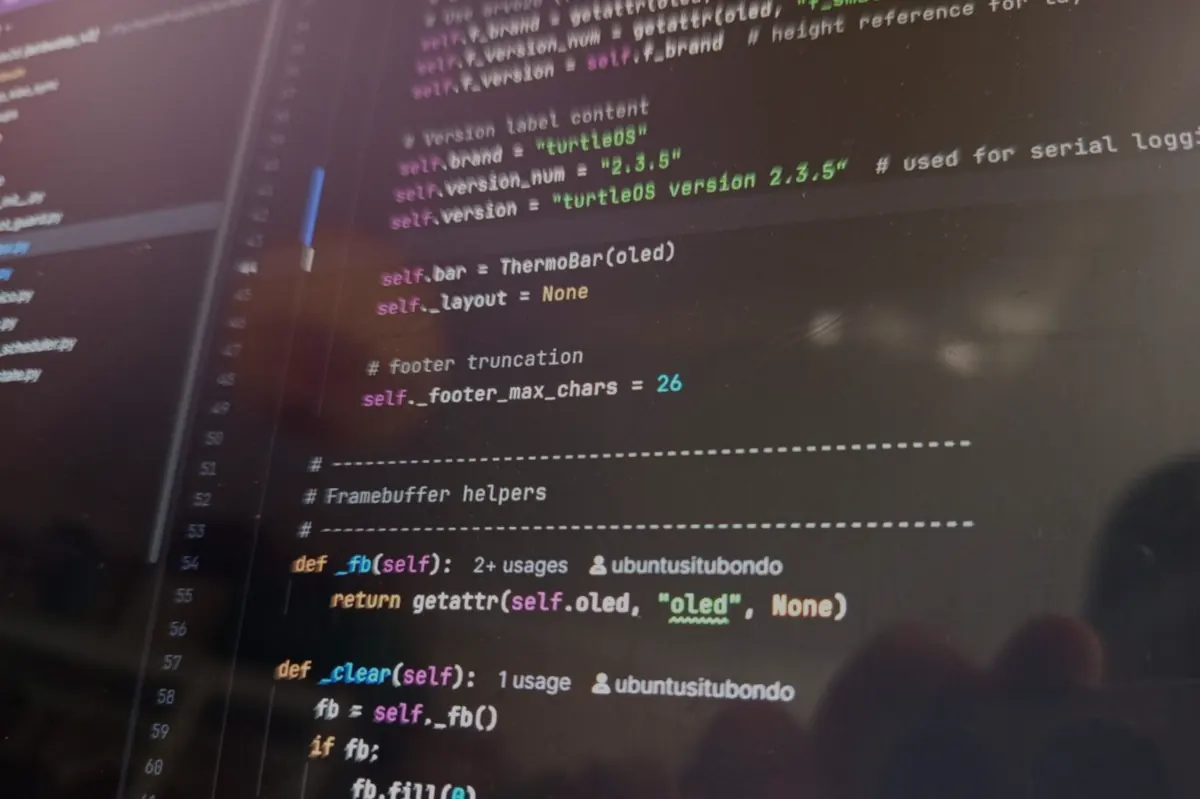
Inspired by other great autonomous marine vehicle projects around the world, we've developed the navigation system for the Hope Turtles from scratch to be fundamentally different from “drone” technology.
Traditional robotics technology is all about achieving great precision and control— with little thought for the ecosystems, animals, and humans in the environments where they are manufactured, navigated, and discarded. Typically we call such robots "drones" and this is precisely why you won't find that word anywhere else on our site. Its also the reason why we've developed "hope turtles" from the ground up.
Turtles are gentle and communal. A bunch of turtles is called a "bale"-- and when they work together its never to "swarm" or to attack, its for realizing a collective good. While turtles are famous for being slow-- they are also well known for being methodical and steady-- and coming out winners in the long run! Often bales of adult turtles will arrive en masse to lay eggs on a beach, or babies will simultaneous set out for their first swim. By all working together turtles overwhelm predators by their collective action-- and everyone benefits!
To emulate this way of being, we've developed turtleOS from the ground up.
TurtleOS is the brains embedded in every hope turtle's microcontroller. It provides the navigation and mesh communication protocol for turtles to make their way to their destination.
The code is open source on our github repository. Coded in MicroPython, we explored a whole range of microprocessors and settled on developing specifically for the Xiao ESP32-S3. However, we build on a hardware abstraction layer — which means you can still operate and develop TurtleOS on a Raspberry Pi or an Arduino. TurtleOS is designed to run on our custom developed turtle shell printed circuit board.
TurtleOS provides not only the navigation algorithm for the deployment of a turtle in the open sea, but also the means to recover detailed sensory telemetry for testing, improvement, and tracking.
TurtleOS is designed to enable a non-AI logic that is not dependent on any connectivity to migrate on the open seas towards a target 5 to 10 kilometers in size. Using the simplest sensory setup — a GPS and a gyroscope — the turtle can control its sail servo to self-navigate toward its preset heading.
Rather than precision, turtleOS is about replicability and enhancing collective arrival probabilities. For this reason, while turtles make terrible "swarms" or "mules", they do make a beautiful blessings when they arrive and are discovered by our fellow humans.
Get going with TurtleOS
To get going with TurtleOS, you can access our code on our GitHub repository.